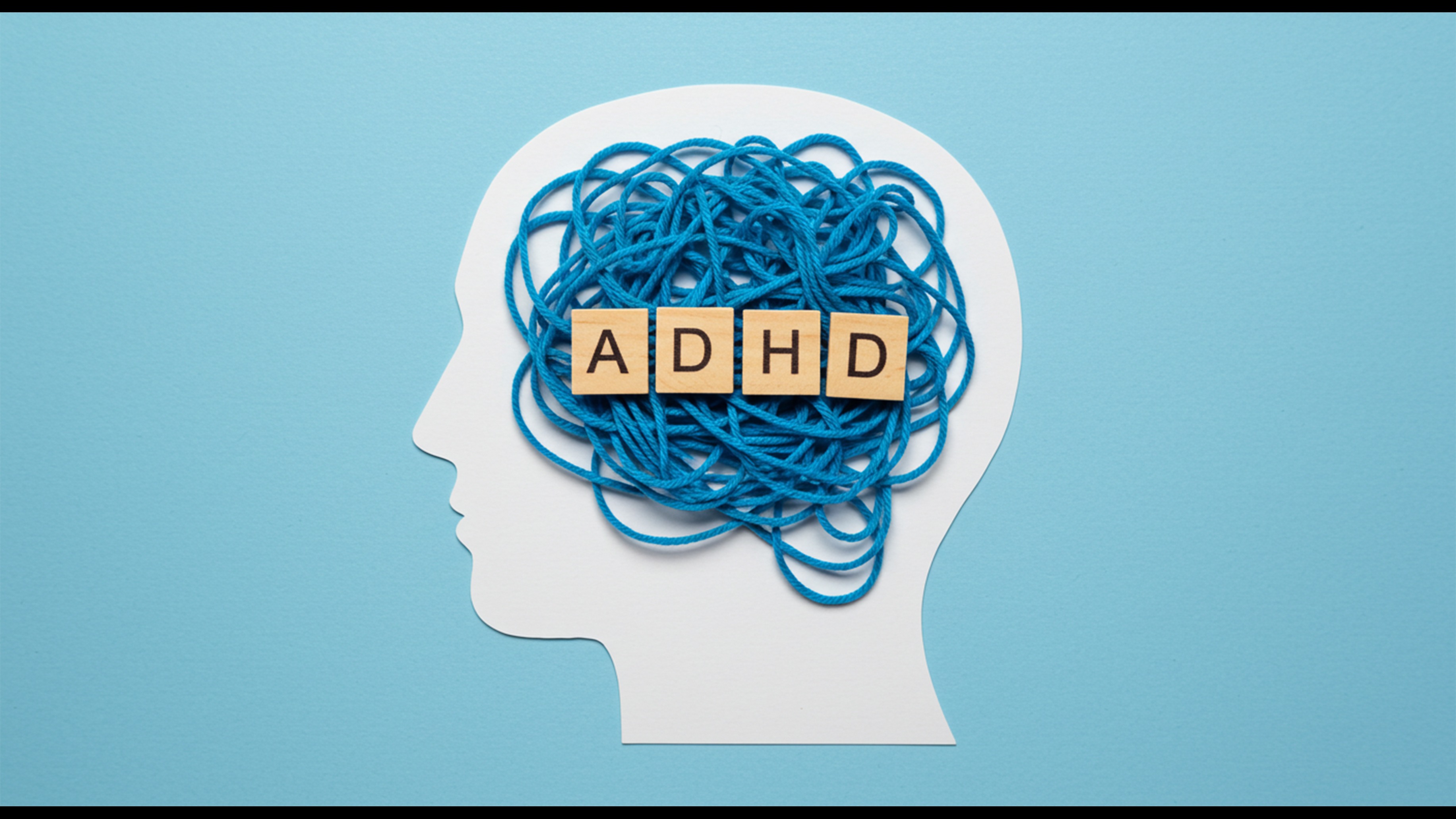
Difficulty concentrating does not automatically mean someone has ADHD. Modern life provides plenty of reasons to feel distracted, from inadequate sleep and excessive screen time to stress, anxiety, demanding workloads, and constant notifications.
Attention-deficit/hyperactivity disorder, however, involves a persistent pattern of inattention and/or hyperactivity-impulsivity that affects functioning across important areas of life.
Understanding this difference is useful for parents and adults exploring ADHD in Aundh, Pune.
ADHD Versus Ordinary Distraction
Everyone occasionally forgets an appointment, postpones a task, loses an item, or struggles to concentrate.
With ADHD, difficulties tend to be persistent, developmentally inappropriate, and significant enough to interfere with education, employment, relationships, organisation, or everyday responsibilities.
Possible signs of inattention can include difficulty sustaining attention, frequently losing necessary items, problems organising tasks, forgetfulness, or leaving tasks unfinished.
Hyperactivity and impulsivity may involve excessive restlessness, interrupting, difficulty waiting, or acting before considering consequences.
Presentation varies considerably between individuals.
Other Problems Can Look Similar
Concentration difficulties can also occur with:
Anxiety
Depression
Sleep deprivation
Chronic stress
Certain learning difficulties
Substance use
Some medical conditions
Medication effects
This overlap is one reason diagnosis should be based on a comprehensive assessment rather than an online checklist.
For children, information from parents, teachers, and different environments can help establish whether symptoms occur consistently across settings.
What About Adults?
ADHD does not exclusively affect children. Some adults are assessed after years of struggling with organisation, deadlines, time management, impulsivity, or maintaining attention.
However, adult concentration problems should still be evaluated carefully because several other conditions can produce similar experiences.
Comparing Symptom Control With Whole-Person Support
Evidence-based ADHD management can involve behavioural strategies, psychological interventions, educational or workplace support, and medication when clinically appropriate.
People may also explore complementary approaches to support areas such as sleep, routine, stress management, digestion, and general well-being.
Ayurveda traditionally takes a broader view of individual health patterns. At Dr. Nambiar's Advanced Ayurveda, an assessment may explore sleep, diet, daily routine, digestion, activity levels, emotional state, existing diagnoses, and current treatment.
This should be viewed as an individualised healthcare discussion rather than a reason to replace established ADHD care without medical guidance.
Practical Strategies for Everyday Functioning
Regardless of the treatment approach, environmental strategies can make daily responsibilities easier.
Examples include:
Break large tasks into smaller steps.
Keep important items in designated places.
Use calendars and reminders consistently.
Reduce unnecessary distractions during focused work.
Maintain regular sleeping and waking times.
Schedule difficult tasks during periods of better concentration.
Use written instructions when verbal instructions are easily forgotten.
These strategies do not diagnose or treat ADHD by themselves, but they can improve organisation.
Choosing the Right Next Step
If concentration problems are persistent, have been present since childhood, or substantially interfere with daily functioning, formal assessment can help distinguish ADHD from other possible causes.
For residents of Aundh and the wider Pune region, the key question should not be whether occasional distraction resembles a list of ADHD symptoms. It should be whether there is a consistent pattern affecting real-life functioning.
Once that pattern is properly understood, conventional treatment, behavioural support, lifestyle measures, and complementary approaches can be considered in a more informed and coordinated way.