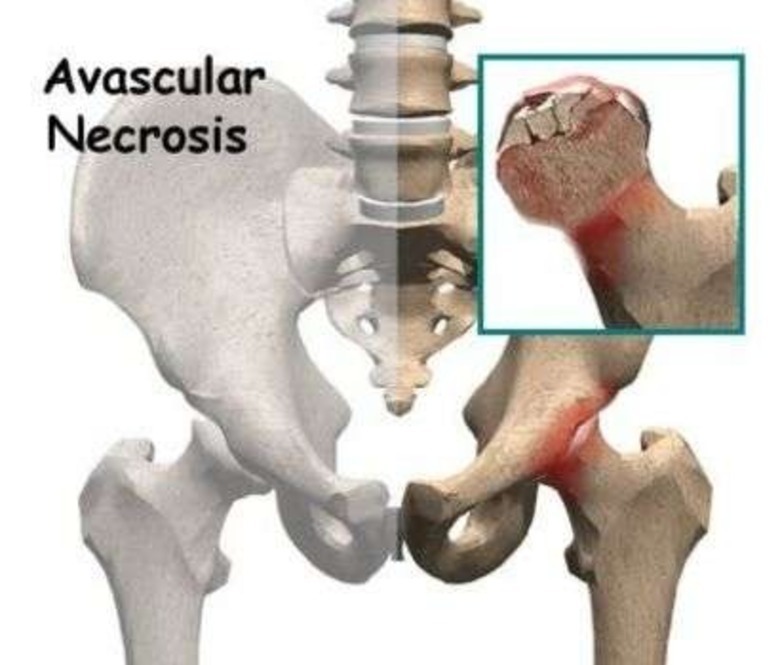
Persistent hip pain is easy to attribute to muscle strain, prolonged sitting, exercise, or an old injury. In some cases, however, deeper joint problems need investigation. One such condition is avascular necrosis, commonly abbreviated as AVN.
Avascular necrosis occurs when the blood supply to an area of bone becomes disrupted, eventually affecting bone tissue and joint integrity. The hip is commonly involved, although AVN can affect other bones.
People looking for information about AVN avascular necrosis in Aundh should understand why early assessment matters.
What Does AVN Feel Like?
AVN may not cause obvious symptoms in its earliest stage.
As the condition progresses, a person may experience:
Pain in the hip or groin
Pain extending toward the thigh or buttock
Discomfort while standing or walking
Reduced hip movement
Difficulty climbing stairs
Pain during weight-bearing activity
Pain that eventually occurs even at rest
Symptoms alone cannot confirm AVN because several hip disorders can cause similar pain.
Why Imaging Is Important
A clinical examination helps identify possible causes of hip pain, but imaging is often necessary when AVN is suspected.
The condition can progress through different stages. Treatment decisions therefore depend on factors including the affected joint, stage of disease, extent of bone involvement, age, symptoms, mobility, and underlying risk factors.
Waiting until mobility becomes severely restricted may reduce the range of management options available.
Conventional and Ayurvedic Care Are Not Identical
Orthopaedic management of AVN can range from monitoring and activity modification in selected situations to procedures intended to preserve the joint or joint replacement in advanced disease.
Ayurvedic care takes a different approach and may be explored by some patients for symptom management, mobility, lifestyle, and general musculoskeletal well-being.
These approaches should not be treated as interchangeable.
At Dr. Nambiar's Advanced Ayurveda in Aundh, people exploring Ayurvedic management can discuss their diagnosis, imaging findings, mobility limitations, existing medicines, and previous treatment before an individual plan is considered.
Questions to Ask Before Choosing a Plan
If you have already been diagnosed with AVN, bring relevant reports to the consultation and clarify:
What stage has been diagnosed?
Which joint and how much bone are affected?
Is weight-bearing currently restricted?
What symptoms will be monitored?
How will mobility be assessed?
Are there reasons for orthopaedic review?
How will existing treatment be coordinated?
These questions are more useful than choosing care solely from a general claim about hip pain.
Do Not Ignore Worsening Mobility
Increasing pain, progressive difficulty walking, reduced range of motion, or inability to bear weight deserves reassessment.
Sudden severe hip pain following an injury also requires appropriate medical evaluation.
People across Aundh and Pune, Maharashtra, who are considering Ayurveda after an AVN diagnosis should approach the decision with their imaging and medical history available.
The central objective is to understand the stage and structural condition of the joint before deciding how complementary care fits into the broader management plan.
AVN is not simply another form of muscular hip pain. Recognising that distinction is one of the most important steps toward making an informed treatment decision.