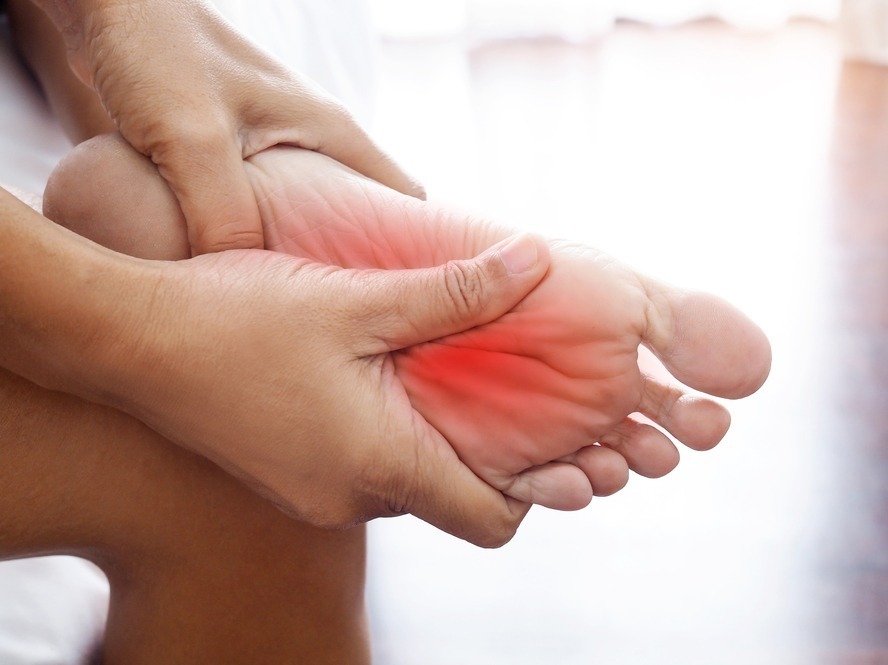
Diabetic neuropathy is nerve damage associated with diabetes. It commonly affects the feet and legs, although different forms of diabetic neuropathy can affect different parts of the body.
Symptoms such as burning, tingling, numbness, unusual sensitivity, or pain can interfere with sleep, walking, exercise, and daily activities. When considering Ayurvedic support for diabetic neuropathy in Hinjewadi, Pune, treatment selection should begin with understanding both nerve symptoms and diabetes control.
Recognise the Typical Symptoms
Peripheral diabetic neuropathy may cause:
Burning sensations
Pins and needles
Numbness
Shooting or electric-like pain
Increased sensitivity to touch
Reduced ability to detect temperature
Reduced sensation in the feet
Balance difficulties in some people
Loss of sensation deserves particular attention because a person may develop a blister, cut, burn, or pressure injury without noticing it immediately.
Diabetes Management Remains Fundamental
Any approach to diabetic neuropathy should consider glucose management.
Persistently elevated blood glucose can contribute to nerve damage and other diabetes-related complications. Blood pressure, cholesterol, kidney health, nutritional status, medicines, physical activity, smoking, and alcohol consumption may also be relevant depending on the individual.
An Ayurvedic plan should therefore not be evaluated only by whether a particular oil, herb, or therapy is offered.
A stronger assessment looks at the whole clinical context.
What to Check Before Selecting Ayurvedic Care
Before beginning complementary treatment, ask whether the provider takes a complete medical history.
Useful information includes:
Duration and type of diabetes
Current diabetes medicines or insulin
Recent glucose and HbA1c results
Kidney and liver health where relevant
Location and severity of neuropathy symptoms
Existing foot wounds
Other medicines and supplements
Previous neurological assessment
These details can affect treatment decisions and safety.
Foot Care Should Be Part of the Conversation
Daily foot inspection is particularly important when sensation is reduced.
Check the soles, heels, between the toes, and pressure areas for cuts, blisters, redness, swelling, cracks, or skin changes. Proper footwear can help reduce pressure and accidental injury.
A wound that is not healing should not be treated as a routine neuropathy symptom.
People with diabetes can face a higher risk of complications from foot injuries, particularly when circulation or sensation is impaired.
How Ayurveda May Be Integrated
Dr. Nambiar's Advanced Ayurveda in Hinjewadi may be considered by people interested in an Ayurvedic approach to symptom support, lifestyle assessment, dietary routines, sleep, physical wellbeing, and other individual factors.
The purpose and expected outcome of every component should be explained clearly.
Patients should also disclose all medicines before using herbal formulations. Some products may affect glucose levels or interact with existing medication, making monitoring important.
Readiness Indicators for a Responsible Plan
A useful care plan should encourage continued diabetes monitoring rather than replacing it. It should also recognise when symptoms require conventional medical assessment.
Rapidly increasing weakness, significant balance problems, infected wounds, blackened skin, severe swelling, or an unexplained new neurological symptom requires timely medical attention.
For people in Hinjewadi and the Pune metropolitan region, choosing care for diabetic neuropathy should involve more than searching for immediate pain relief. Blood glucose management, nerve assessment, foot protection, medication awareness, lifestyle support, and realistic treatment goals all contribute to a more complete long-term strategy.