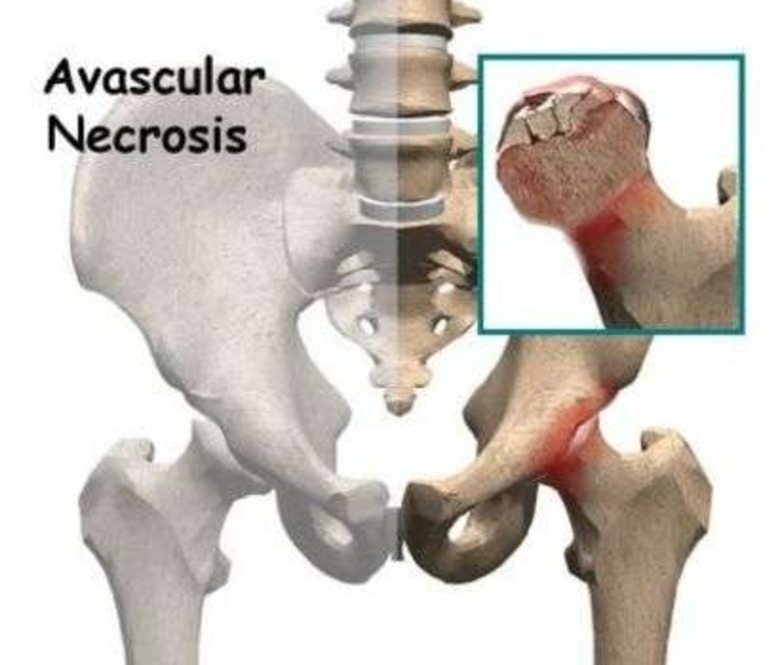
AVN, or avascular necrosis, is a condition in which reduced blood supply to an area of bone leads to damage and eventual loss of bone tissue. The hip is one of the commonly affected joints, although AVN can occur elsewhere.
People searching for AVN care in Hinjewadi and Pune may encounter conventional orthopaedic management, physiotherapy, lifestyle approaches, and Ayurveda. Understanding the role and limitations of each option is important before deciding how to proceed.
Why AVN Requires Proper Assessment
AVN can progress over time, and management often depends on factors such as the affected joint, extent of bone damage, symptoms, underlying cause, and whether joint collapse has occurred.
Symptoms may include:
Groin, thigh, buttock, or joint pain
Pain during weight-bearing
Increasing stiffness
Reduced range of motion
Difficulty walking
Pain that gradually becomes more persistent
Early AVN may sometimes produce few symptoms, which is why imaging can be important.
What Conventional Management Focuses On
Orthopaedic treatment is usually guided by the stage of the condition.
Depending on individual circumstances, management may involve activity modification, medication, management of underlying risk factors, physiotherapy, joint-preserving procedures, or surgery.
Advanced AVN with structural collapse is a very different clinical situation from early-stage disease. A treatment decision therefore needs to begin with understanding the stage rather than selecting an approach based solely on symptoms.
Where May Ayurveda Be Considered?
Some people explore Ayurvedic care for musculoskeletal discomfort, mobility support, lifestyle management, and general wellbeing.
At Dr. Nambiar's Advanced Ayurveda, an AVN consultation can include discussion of symptoms, existing reports, lifestyle, previous treatment, medicines, mobility, and other health factors before an individualised plan is considered.
The important distinction is between supportive care and claims of structural reversal.
Anyone considering an Ayurvedic approach should ask clear questions about what the proposed treatment is expected to address. Pain, stiffness, mobility, sleep, general wellbeing, and structural bone damage are different outcomes and should not be treated as interchangeable.
Questions Worth Asking Before Choosing a Plan
A useful evaluation should help answer:
What stage of AVN has been diagnosed?
Which bone or joint is affected?
Is there evidence of collapse?
What is causing or contributing to the condition?
Which activities should currently be limited?
What outcomes are realistic?
How will progress be monitored?
When would orthopaedic reassessment be necessary?
These questions are particularly important when comparing different treatment approaches.
Avoid Delaying Necessary Orthopaedic Review
Severe or rapidly worsening pain, substantial mobility restriction, or imaging showing progression requires appropriate medical attention.
Similarly, patients already under an orthopaedic specialist should not abandon monitoring simply because symptoms temporarily improve.
Pain relief alone does not necessarily show what is happening structurally inside the joint.
Making an Informed Choice in Hinjewadi
For patients around Hinjewadi, Wakad and nearby Pune areas, a practical care plan should be based on diagnosis, imaging findings, disease stage, functional limitations, and realistic goals.
Ayurveda may be explored as part of a broader management strategy when expectations are clearly defined and coordination with existing medical care is maintained.
The strongest starting point is not choosing between labels such as "Ayurvedic" and "conventional." It is understanding the current condition of the joint, identifying what needs to be protected, and determining which interventions are appropriate for that specific stage of AVN.